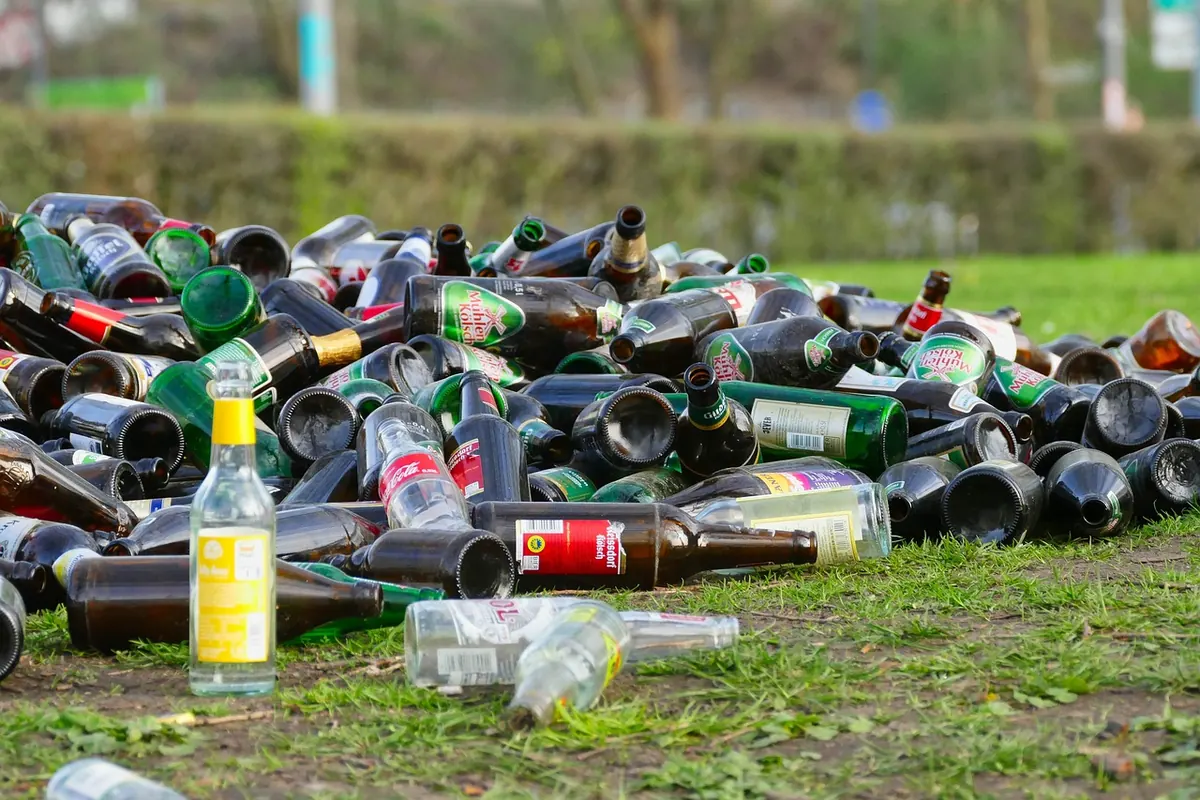
At some point in 2027, buying a can of cola or a bottle of water will come with a small extra charge — one you can get back. The UK's deposit return scheme (DRS) is due to go live in October 2027 across England, Scotland, Wales and Northern Ireland, and it will change what happens to a large share of the drinks containers we buy. The idea is simple enough: pay a deposit when you buy, get it back when you return the empty container. The reality involves barcodes, reverse vending machines and a lot of work behind the scenes. Here's what it means for your kitchen, your shopping trip and your recycling bin.
Drinks producers and importers will register the bottles and cans they put on the UK market with a scheme administrator, and pay a fee for each container. Retailers then add a deposit to the price at the till. You pay it, you take the drink home, and the money sits with the scheme until you bring the container back.
Return the empty bottle or can and the deposit is yours again — as cash, a voucher, or a credit to an app or bank account, depending on where you take it. Don't return it and the money stays in the system, which is what funds the collection and recycling of the containers that do come back.
The deposit is widely expected to be 20p, the level the government consulted on, though the final figure will be confirmed before launch. It applies to containers between 150ml and 3 litres.
For households, the important question is which containers count. Broadly:
Not everything is included, though. Glass bottles sit outside the scheme at launch, as do cartons, pouches and drinks packaging that isn't a bottle or a can. The decision to leave glass out has been contested: the Welsh Government wanted it included and has said so publicly, while campaigners argue that excluding it weakens the scheme's reach.
Nothing dramatic. The change is mostly about where an empty bottle goes.
If a deposit container does end up in your kerbside recycling, it isn't a disaster — it will still be recycled. You simply won't get the money back. What you want to avoid is putting it in the general waste bin.
Large shops and supermarkets are expected to host return points, often reverse vending machines that take containers one at a time and print a voucher. Smaller shops may take returns over the counter. Rules on which retailers must accept returns — and whether very small premises get an exemption — have been part of the consultation process, so the exact picture will firm up closer to launch. Online grocery deliveries raise a trickier question: how do you hand back empties from a delivery? Retailers and the scheme administrator will need a workable route for that too.
Deposit schemes do two things at once. They increase the number of containers that get collected, and they improve the quality of what's collected. Containers returned through a DRS arrive sorted and relatively clean, which makes it far easier to turn an old bottle into a new one rather than into a lower-grade product. Mixed kerbside recycling is valuable, but it needs more sorting and produces more contamination.
Countries with long-running deposit schemes, including Norway, Germany and Finland, generally see high return rates for the containers they cover — built up over years, not weeks. The UK scheme will run alongside other packaging reforms, including standardised household collections in England and extended producer responsibility, which makes producers pay more of the cost of the packaging they place on the market.
The realistic expectation is that the DRS takes a large bite out of drinks container waste, while kerbside collections carry on handling everything else.
The launch date is October 2027, and it applies across all four nations. Scotland had been preparing its own scheme, first scheduled for 2023, but that was postponed and then aligned with the UK-wide approach, so there will be one set of rules rather than two.
Long before the first deposit is charged, producers will need to register containers with the scheme administrator, and retailers will need signage, equipment and staff training. A familiarisation period is expected so shoppers understand what's changing.
Some details are still being finalised, including the deposit level, the precise rules on return points, and how the scheme handles unusual cases. If you run a shop, café or online drinks business, don't rely on word of mouth — check the official guidance as it is published, and take advice from your trade body or an accountant if the new obligations affect your cash flow.
Not much is required yet, but a few small habits will make the switch easier:
Above all, don't overthink it. The scheme asks for one extra step: instead of dropping an empty bottle in the recycling, you take it back to a shop and get a little money for your trouble. Two years from now, that may feel as ordinary as taking a bag for life to the supermarket.
Photo: SatyaPrem / Pixabay