There is a fortnight each autumn when a hedgerow tells you almost everything about how it has been treated. The berries are on, or they are not. The birds have found it, or they have gone elsewhere. Last winter's cut has healed into a tight knuckle, or the whole thing is a flat-topped wall of twig with nothing left to fruit on. Walk the same lane in late September and again in late November and you will see the year's story written twice.
You do not need a clipboard or a botany degree. Twenty minutes, a rough idea of what you are looking at, and the habit of checking the same stretch twice will do. Here are ten things worth looking for, grouped the way you will actually notice them as you walk.
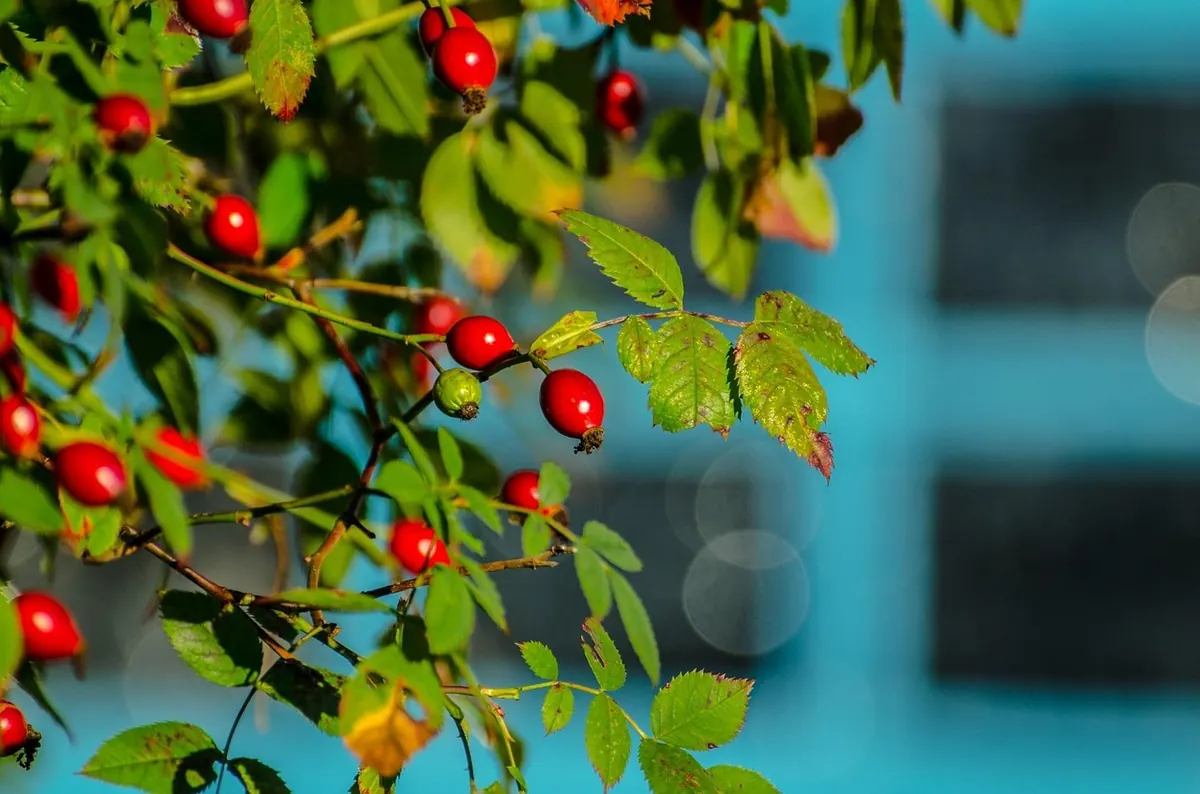
Berries are the easiest thing to judge and the most revealing. Haws on hawthorn, sloes on blackthorn, hips on dog rose, scarlet spindle capsules, elderberries, rowan, guelder rose. Look at how much there is, how evenly it is spread, and how long it lasts.
One caution while you are peering at berries: if you cannot identify a fruit with certainty, do not taste it. Sloes and haws belong to the wildlife, and several hedgerow berries are unpleasant or worse.
Stand still for ten minutes and listen. A good hedge in autumn should sound busy deep inside it — the dry tick of a dunnock, a wren's rattle of alarm, blackbirds turning over leaf litter at the base. Redwings and fieldfares arrive from the north to work hedgerows for haws and hips, often in loose flocks with blackbirds and song thrushes.
Part the foliage gently and check a few leaves for galls, leaf mines, webs and nibbled edges. None of these are problems. They are the food supply that keeps the birds coming back, and a hedge with pristine, untouched foliage in autumn has usually been sprayed.
Healthy hedges are scruffy at close range. Look for standing dead branches, a hollow where an old stem has rotted, patches of exposed wood, and the fungi that follow: jelly ear and dead man's fingers on elder, small brackets on hazel and ash. Deadwood in a hedge is habitat, not neglect — beetles, solitary bees and over-wintering invertebrates depend on it.
A hedge with no deadwood at all is usually young, or has been cut so often that nothing has had time to age.
Ivy deserves a word, because it is often blamed unfairly. Mature ivy gives cover and late nectar, and a hedge with some ivy in it is not a failing hedge. A hedge that is nothing but ivy, with the hawthorn beneath shaded out and fruiting poorly, is a different matter.
Most of what goes wrong with hedges comes down to two habits: cutting them every year, and cutting them in the wrong season.
Note the date and something you can find again — a grid reference, a what3words mark or a description of the spot. Then walk the same stretch next autumn and compare. One year tells you about the weather; three years tell you about the hedge.
If the hedge is not yours, a polite word with the landowner, the parish council or your local wildlife trust is a sensible first step, and many areas have hedgerow survey groups that welcome records. If it is your hedge, most of these problems are fixed by doing less, at a better time.
If you are thinking about removing a hedgerow or doing major work on one, check with your local authority first: hedgerow regulations can apply, and some hedges sit within protected sites.
None of this has to be done in a single autumn. Go back to the same stretch in February with a hot drink and see what the winter did to it. A hedge that fruits along its whole length, rustles with small birds and has a bit of rot in it is a hedge being left alone enough to work.