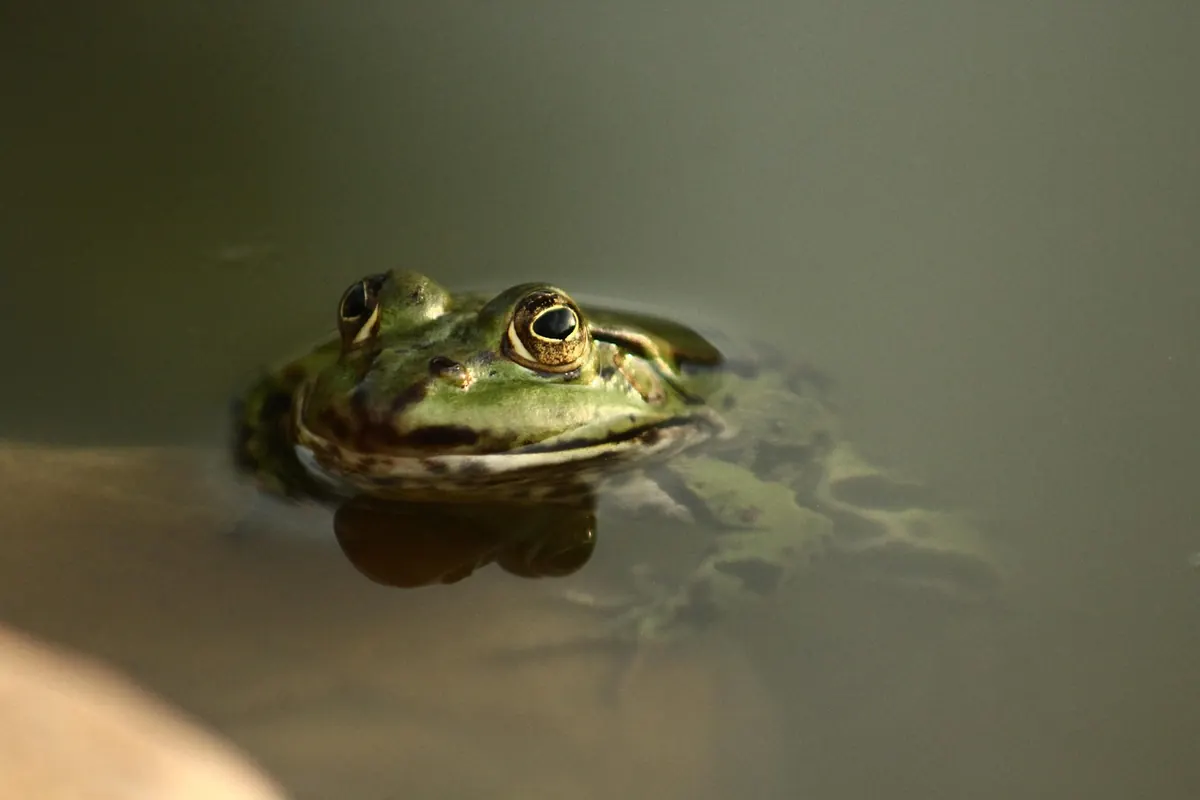
A pond is the most generous thing you can give a small garden. Two square metres of water will do more for wildlife than a long border of nectar plants, and it starts working within weeks. Pond skaters turn up first, then water boatmen, then the damselflies. Frogs take longer, and that is fine. You are not building a feature to be admired from the kitchen window, though you will admire it. You are building a habitat.
You do not need much room. A buried washing-up bowl, an old Belfast sink or a rigid liner sunk into a gap between two shrubs will all work. What follows is a weekend's work for a pond of roughly two metres by one and a half — small enough for a courtyard, big enough to hold its own ecology.
Most people pick a spot, dig, then wonder why the water turns green and the plants sulk. Get the site right first.
Water needs light. Aim for five or six hours of direct sun a day. That warms the water, which triggers insect activity and amphibian spawn, and it lets flowering marginals do their job properly. Deep shade leaves you with a cold, dark hole that only duckweed enjoys.
Avoid ground beneath trees. Not just for the shade: in autumn a single overhanging birch will fill your pond with leaves, and rotting leaves turn to sludge and feed algae. Fruit trees and sycamores are worse still.
Put the pond where you can see it. You will spend more time watching it than you expect, and you will spot problems — a slow leak, a build-up of blanketweed, a heron standing in the shallows — far earlier. Keep it away from the house if you have small children, or fit a sturdy metal grid just below the surface. And check the ground is reasonably level before you commit. A pond that is three centimetres out of true looks a great deal worse than that once it is full.
Then grade one end gently into a wide, shallow pebble beach. Hedgehogs can swim, but they cannot climb a sheer, slippery side, and neither can frogs, beetles or a thirsty fox. A ramp of stones or rough timber does the same job. It takes ten minutes and it saves lives.
Plant in late spring or early summer, when the water has warmed. Use baskets of loam-based compost with no added fertiliser — ordinary potting compost is packed with nutrients and will simply feed the algae you are trying to avoid.
What you plant matters as much as what you avoid. New Zealand pygmyweed, floating pennywort and water fern are banned from sale in the UK because they smother everything in sight; never tip a bucket of pond plants into a river or ditch. Buy from a reputable aquatic nursery, and resist the temptation to take spawn or cuttings from someone else's pond. You risk importing disease and hitchhiking invaders along with them. Let your own pond be colonised in its own time.
No fish, either. Goldfish and sticklebacks eat tadpoles, insect larvae and almost everything else you were hoping to attract.
New ponds go green. It is not a disaster, and it is not permanent. While there are few plants to take up nutrients, single-celled algae have the water to themselves; as the marginals and oxygenators fill out, they starve it out. Twirl stringy blanketweed out with a stick and leave it on the side for a day so any trapped creatures can crawl back.
Top up with rainwater from a butt rather than the tap where you can. Tap water carries nutrients and treatment chemicals, and repeated top-ups keep feeding the algae. Once the water clears, expect a rush of arrivals: water beetles, pond skaters, the first damselfly resting on a leaf tip. Frogs may take a year or two, and if you have only a small pond they may not come at all — newts, beetles and dragonflies are just as rewarding.
A pond is far more forgiving than it looks. If a full dig feels like too much, sink a half-barrel, add a ramp of stones, plant three natives and fill it from the water butt. It will not take a weekend, and it will still bring damselflies over the fence by July. Once the first one lands, you will start eyeing up that patch of tired lawn and thinking about a bigger hole.
Photo: PiMeG / Pixabay